


It doesn’t win instantly—and that’s interesting
Scanning through compact SUVs gets repetitive fast. Same promises, similar specs, familiar layouts. Writing a Kia Seltos Review ends up being less about specs and more about how it actually feels after a few days.
Because the first impression? It’s decent. Not mind-blowing.
Give it time, though, and something shifts. People stop analyzing it and just… use it.
What Kind of SUV This Really Is
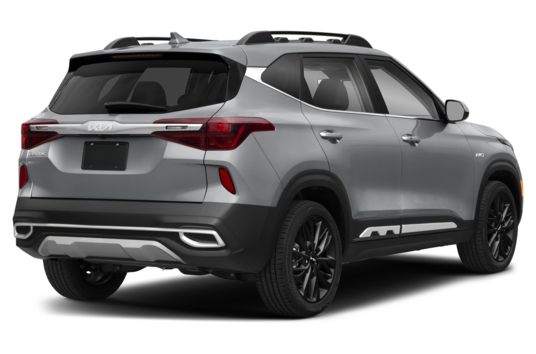
Slightly taller than expected. That’s usually the first thing noticed.
In most Kia Seltos Review discussions, it’s placed somewhere in between categories. Not entry-level, not premium either. Just sitting in that middle ground where expectations are a bit unclear.
That works in its favor.
There’s more interior room than smaller crossovers. Pricing doesn’t jump into uncomfortable territory. Features stack up quickly.
A user named Kevin mentioned:
“Didn’t feel basic even in the mid trim.”
That comment pops up in different forms across reviews.
Engine Choices and Daily Driving Behavior
Two setups, two different personalities.
Naturally Aspirated Engine
147 horsepower doesn’t sound terrible. And around town, it isn’t.
Push it harder, though, and the delay becomes noticeable.
A forum post from “RinaK” said:
“It’s like the car pauses before agreeing to accelerate.”
That’s a recurring theme in any Kia Seltos Review.
Turbocharged Option
This one feels more alive. Close to 195 horsepower.
Acceleration improves, overtaking becomes easier. But then comes the transmission behavior.
At low speeds, it can hesitate or jerk slightly. Not always predictable.
Someone described it as:
“Smooth until it suddenly isn’t.”
Cabin Experience and Technology
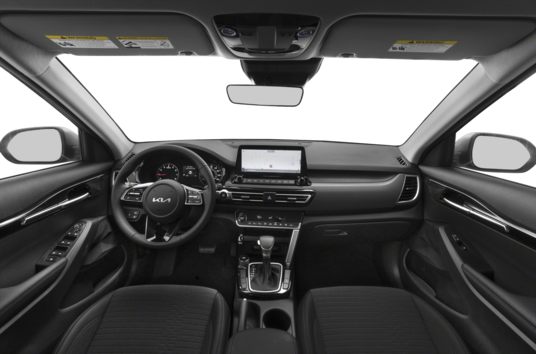
Step inside and expectations shift a bit.
Materials aren’t luxury-grade, but they don’t feel cheap either. That balance shows up often in Kia Seltos Review content.
Infotainment System
Large display. Quick response time.
No noticeable lag during navigation or media switching.
Menus feel logical. No guessing games.
A colleague who borrowed one for a weekend said:
“I didn’t need to learn it. It just worked.”
Passenger Space
Rear seating handles adults better than expected.
Legroom is decent. Headroom isn’t an issue.
Seat angle? Slightly upright. Some people notice, some don’t.
Features That Actually Get Used
Daily usability matters more than long feature lists.
This Kia Seltos Review highlights a few things owners repeatedly mention:
- Driver assistance systems behave predictably
- Climate controls stay physical (thankfully)
- Wireless smartphone connectivity disappears in higher trims
That last one still doesn’t make much sense.
Also, small detail—steering wheel buttons are easy to reach without looking down. Not groundbreaking, but useful.
Cost and Trim Breakdown
Prices generally fall between $24,000 and $31,000 depending on configuration.
Base trims are acceptable but feel minimal.
Mid-range trims hit the sweet spot. That’s where most buyers end up.
Top trims start overlapping with competitors that offer slightly better refinement.
Still, the Kia Seltos Review consensus on pricing leans one way:
It offers more features than expected at its price point.
Quality isn’t always best-in-class. But value shows up clearly.
Living With It Day to Day
Three weeks of mixed driving—city traffic, some highway runs, occasional errands.
That’s the scenario a tester named Lucas shared.
Early impression:
“It’s fine. Nothing special.”
Later message:
“I stopped thinking about it. That’s probably a good sign.”
Fuel consumption averaged around 8 L/100km. Slight variation depending on traffic.
Highway driving revealed something else—road noise creeps in. Not overwhelming, just noticeable.
There was also a small moment worth mentioning:
Tight parking lot, slow maneuvering, slight hesitation from the transmission.
Not dangerous. Just a bit awkward.
Issues That Come Up Repeatedly
Looking through Kia Seltos Review discussions, a few patterns show up.
Transmission Feel
Mostly in turbo variants. Slight jerks at low speeds.
Noise Levels
Cabin insulation could be better on highways.
Engine Power (Base Version)
Feels strained with full load.
Tech Quirks
Connectivity inconsistencies across trims.
None of these dominate ownership complaints, but they’re consistent enough to note.
Comparison With Similar SUVs
Mazda CX-30
Handles better. Feels more refined when driving.
Seltos offers more space inside.
Hyundai Creta
Very close competitor.
Design and interior execution slightly favor Seltos.
Honda HR-V
Smoother ride quality.
Less feature-rich compared to Seltos.
In most Kia Seltos Review comparisons, it lands somewhere in the middle—not leading, not trailing.
Who It Fits Best
This SUV works for someone who wants:
- Everyday usability
- Straightforward tech
- Balanced size and comfort
It’s less suited for drivers focused on performance or ultra-quiet cabins.
There’s a pattern in owner feedback—people who weren’t initially excited about it often end up satisfied after living with it.
Hard to quantify that. Still happens.
A Minor Detail That Sticks
Door closing sound feels lighter than expected.
Not flimsy, just less solid compared to some rivals.
Another thing—the indicator sound inside the cabin. Slightly louder than average.
Small things. Easy to ignore. Hard to unnotice once pointed out.
FAQ
Is the Kia Seltos a reliable SUV?
Most Kia Seltos Review data suggests it performs reliably for daily use, with no widespread major faults reported so far.
Does it struggle on highways?
Some Kia Seltos Review feedback mentions road noise at higher speeds, though engine performance is acceptable with the turbo version.
Which trim offers the best value?
Mid-level trims tend to balance cost and features most effectively.
Is it good for families?
Yes, especially small families. Space and safety features make it practical.
How does fuel economy compare?
It stays competitive within its segment, delivering average real-world efficiency.
Final Thought
It’s not the kind of car that demands attention.
But after a while, that stops mattering.


Share this review